Indian sports marketing is booming on paper, but in the stands, on screens, and inside fan conversations, something feels off.
Despite record-breaking media rights, surging sponsorship values, and unprecedented brand interest, fan excitement around sports marketing in India is stagnating. Not because fans are leaving, but because they’re being treated as eyeballs instead of participants.
The Money Is Flowing. The Magic Isn’t.
Let’s start with the numbers;


- India’s sports ecosystem is now valued at ₹16,000–18,000 crore annually, driven primarily by media rights and sponsorships.
- Sponsorship spends across Indian sports have grown at a 10–12% CAGR over the past five years.
By every financial metric, sports marketing in India is thriving.
So why does it feel… repetitive?
From Breakthrough to Template-Driven
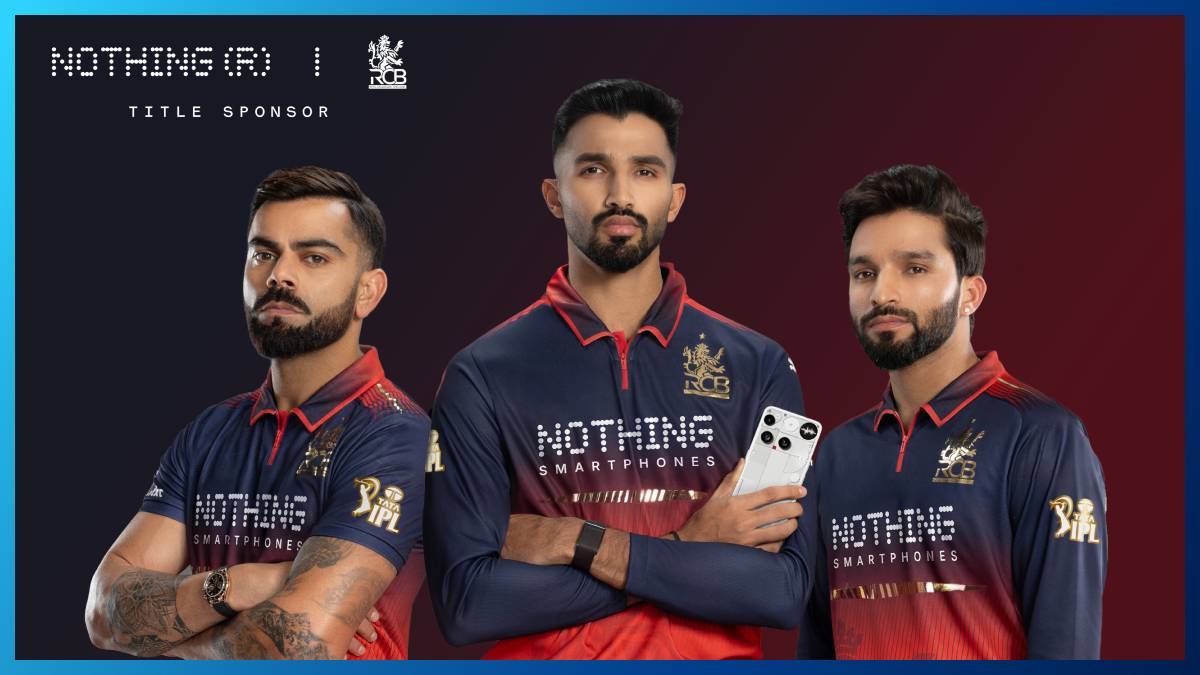
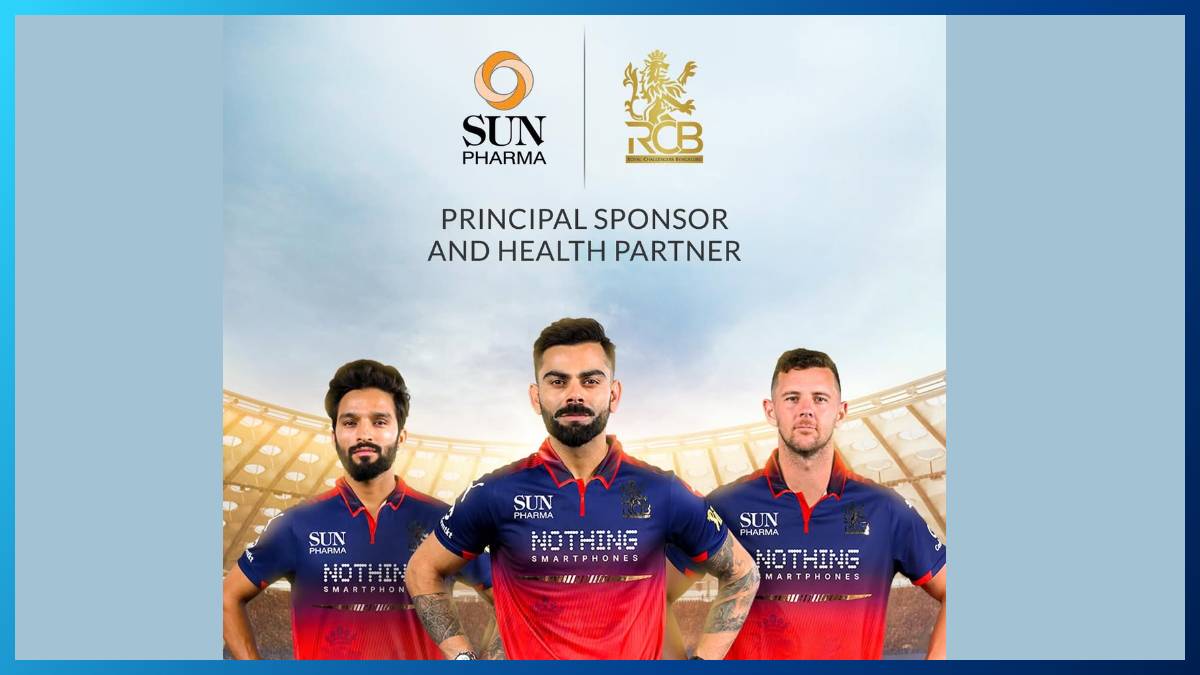
Indian sports marketing has become efficient, scalable, and predictable. Jersey logo placements, title and associate sponsorships, celebrity-fronted TVCs and influencer amplification during tournaments. This model delivers reach at scale but rarely delivers memory or meaning. In business terms, Indian sports marketing has optimised for CPM, not fan lifetime value.
Global Sports: Where Marketing Became Experience
Globally, sports marketing evolved beyond visibility years ago. The National Basketball Association (NBA) generates nearly 40% of its revenue from non-broadcast sources, ticketing, merchandise, subscriptions, and in-arena experiences. The Premier League clubs monetise fans year-round through stadium tours, memberships, digital content, and heritage storytelling. Formula One transformed fandom via data-rich apps, behind-the-scenes access, and immersive storytelling, pushing F1 revenues past $3 billion annually.
The common thread? Fans pay when they feel involved.
India’s Revenue Problem Isn’t Scale — It’s Depth
Indian sports enjoys a massive TV reach, appointment viewing and cultural obsession, but fan monetisation remains shallow. Ticket pricing stays low to maintain volume, merchandise penetration is minimal, memberships and loyalty programs are underdeveloped, and stadium experiences remain transactional.
As a result, Indian sports rely disproportionately on brands, not fans, to fund growth. That’s a structural risk.
Stadiums: High Emotion, Low Innovation
Indian stadiums are loud, passionate, and emotionally charged, but commercially underutilised. Most venues offer:
- Minimal fan zones
- Limited food, retail, or experiential options
- Little pre-match or post-match engagement
Globally, matchday is a six-hour entertainment window. In India, it’s still a three-hour sporting event. That’s lost revenue and lost connection.
Digital Is Carrying the Fan Engagement Load
Ironically, fans are more engaged outside official brand campaigns. Meme culture, fantasy gaming (which has been banned), creator-led match analysis and player-driven social storytelling.
Leagues like the Pro Kabaddi League succeeded because they leaned into regional identity and community narratives, not just sponsorship inventory.
The lesson is clear: fans want interaction, not interruption.
Brands Are Everywhere. But Rarely Remembered.
When you ask any fans about matches, you get an answer, but about sponsors, the majority of fans miss it.
When marketing becomes background noise, ROI becomes fragile.
Brands don’t lose visibility; they lose relevance.
The Opportunity India Is Sitting On
India doesn’t need more sponsors. It needs better fan economics.
The next phase of sports marketing growth lies in:
- Fan memberships & loyalty ecosystems
- Stadium-as-destination thinking
- Athlete-led content IPs
- Data-driven personalisation
- Community-first storytelling
In simple terms: Move from renting attention to building relationships.
Sports marketing in India isn’t failing. It’s just playing too safe for a fan base that thrives on emotion, drama, and participation. The money is already here. The fans are already here. What’s missing is the courage to make them part of the product, not just the audience.
And in a sports-obsessed nation, boredom is the biggest business risk of all.